Instructional Strategies for Christian Teachers


Teaching the Bible better . . .

James Riley Estep Jr. and Jay L. Sedwick, eds. Instructional Strategies for Christian Teachers: How to Teach the Bible and Theology in the Church and School. 360p., $28.99, Kregel Academic.

The best teachers in any discipline use diverse instructional models to foster all aspects of learning. Instructional Strategies for Christian Teachers combines theological and biblical insight with tested teaching methods, providing a targeted guide for those preparing to teach within environments such as churches, ministries, Bible colleges, Christian universities, and seminaries.

The editors and other expert educators systematically address teacher training and focus on planning strategically for various learning outcomes. Contributors address uniquely Christian topics alongside vital instructional approaches.

Complete with reflection questions, video supplements, graphics, diagrams, and distinctly Christian examples, Instructional Strategies for Christian Teachers offers a strong and promising foundation for those already teaching or planning to teach in a Christian context.
Posted in Uncategorized | Tagged , , , | Leave a comment

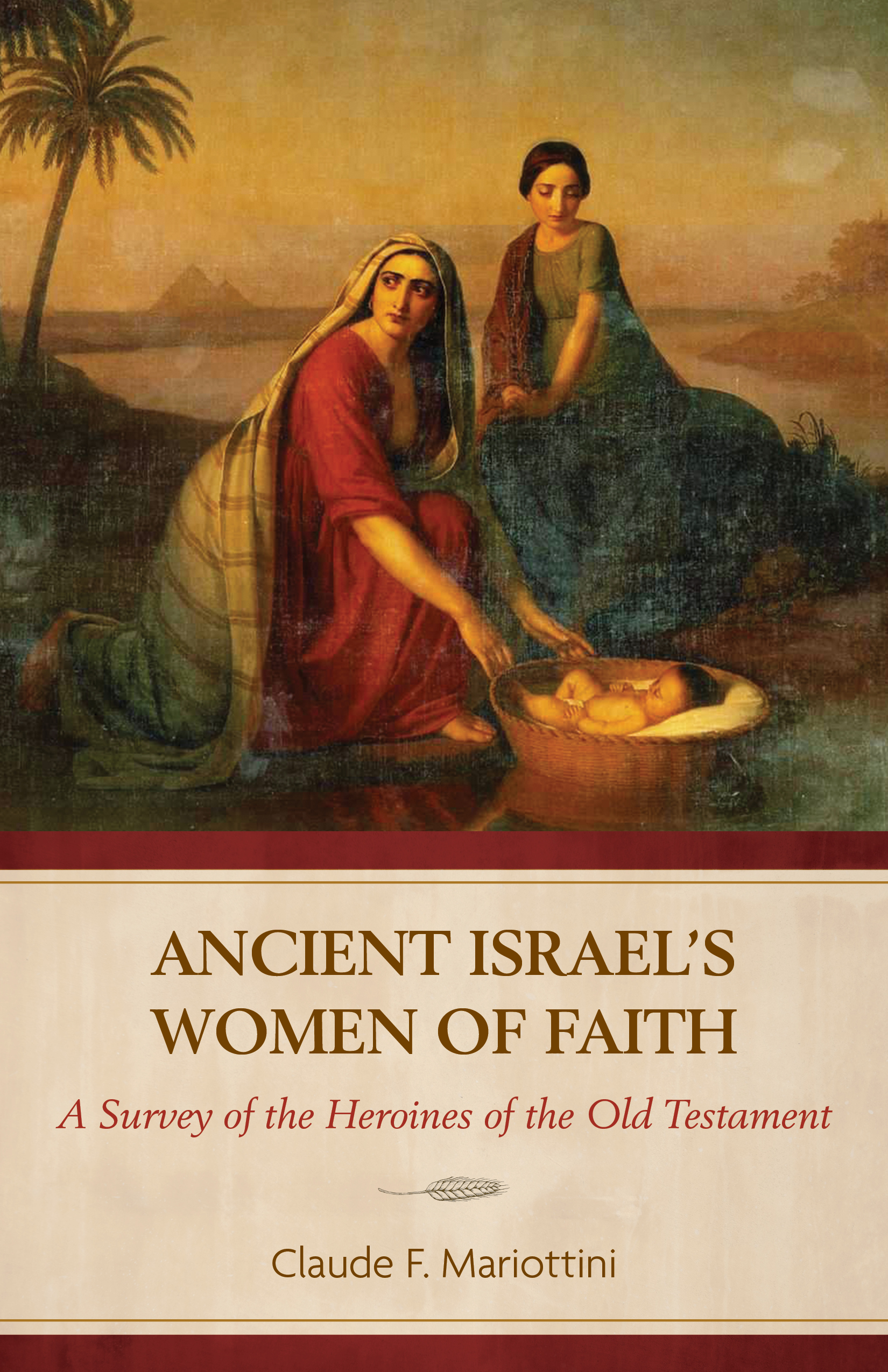
Ancient Israel’s Women of Faith


There’s more than you might think . . .

Claude F. Mariottini. Ancient Israel’s Women of Faith: A Survey of the Heroines of the Old Testament. 272p., $25.99, Kregel Academic.

Believers today are facing a profound spiritual poverty—an ignorance of the women who shaped their faith and, as a result, an incomplete understanding of the God those women faithfully served.

The inspired writers of the Old Testament mention more than one hundred women by name and countless others in passing. Yet, how many of us know the stories of these women and the God who wrote them?

• Sheerah built three cities and had one named after her.
• Jehosheba executed a covert operation to preserve the Davidic line.
• Miriam left us a legacy of worship that persists to this day.

Then there are the women who proclaimed the good news of God, prophesied truth to power, protected Israel from her enemies, relentlessly interceded for God to act, and passed along a living faith in the God who did. Each of these women and their stories find a place in God’s redemptive plan for his creation.

In Ancient Israel’s Women of Faith, Claude Mariottini introduces readers to a fresh reading of Scripture that takes seriously these stories. In doing so, he challenges anachronistic, modern readings of the text by providing helpful contextual information, including nuances in the original language, histories of translation, and observations on the cultural, political, legal, economic, and religious landscapes of their time.

Readers of this title will walk away with new insights, questions, and areas for research, but, more importantly, they’ll walk away with a new understanding of the God of ancient Israel’s women of faith.

Posted in Uncategorized | Tagged , , | Leave a comment

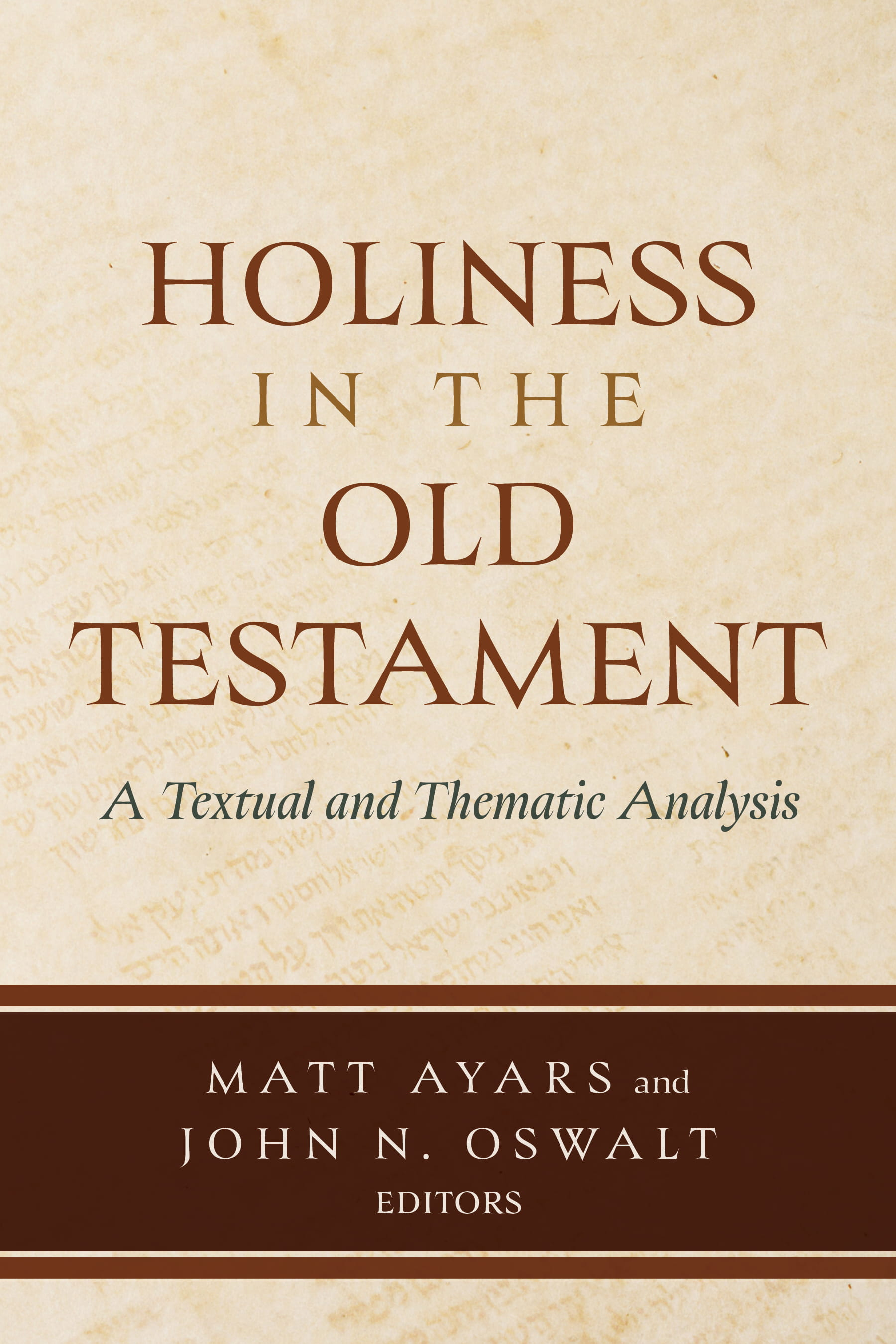
Holiness in the Old Testament


A closer look at a critical—and often misunderstood—directive of God. . . .

Matt Ayars and John N. Oswalt, eds. Holiness in the Old Testament: A Textual and Thematic Analysis. 320p., $25.99, Kregel Academic.

“You shall be holy, for I the Lord your God am holy.” (Leviticus 19:2)

The holiness of God and Israel’s call to be holy are arguably at the theological center of the theological vision of the Old Testament. Thus, a careful and thorough analysis and evaluation of the theme of holiness is critical for understanding both this God and this call.

In Holiness in the Old Testament, thirteen respected Old Testament scholars come together to provide a cohesive view of Scripture’s testimony to the nature of holiness. They explore the historical and cultural context of the Hebrew terms related to holiness and aptly argue that any definition relating to God must include both his incommunicable and communicable attributes—those qualities that belong to him alone, such as his eternality and transcendence, and those qualities that he expects his people to emulate, such as his steadfast love and ethical purity.

Furthermore, the authors demonstrate that human holiness must be understood “not just as a response to God’s holiness but as the restoration of the image of God in humanity—a key notion for the fulfillment of God’s plans and purposes for the creation as a whole.” By surveying the notion of holiness in each major section of the Old Testament and how this notion relates to other critical Old Testament theological themes, the authors provide a comprehensive biblical and theological study of holiness in the Old Testament. The careful student will walk away with both a deeper understanding of their holy God and of their holy call.

Posted in Uncategorized | Tagged , , , , | Leave a comment

Kerux: Genesis


In the beginning . . . and beyond . . .

John M. Soden and Randal Emery Pelton. Genesis: A Commentary for Biblical Preaching and Teaching. Kerux Commentaries. 720p., $54.99, Kregel Academic.

Each Kerux volume uniquely combines the insights of an experienced Bible exegete (trained in interpretation) and a homiletician (trained in preaching). These two authors work together to explain the essential message for the original listeners or readers, unpack its timeless truth, and then provide a contemporary restatement and communication insights for the key biblical concept. Based on the Big Idea preaching model, Kerux enhances the reader’s ability to deliver a message that is biblical, cohesive, and dynamic.

Authors John M. Soden and Randal Emery Pelton use the model of robust exegesis paired with experienced pastoral care to demonstrate how Genesis fits within God’s story for creation, as well as what that means for our lives today. Through rich theological insight, pastors, teachers, and theologians alike are invited to think deeply on Genesis and to investigate the richness that the first book of the Bible has to offer with the goal of sharing that richness with others.

Posted in Uncategorized | Tagged , , , | Leave a comment

40 Questions About the Trinity


Looking at the one of the most simultaneously foundational and trickiest-to-explain doctrines from a variety of angles. . . .

Matthew Y. Emerson and R. Lucas Stamps. 40 Questions About the Trinity. 40 Questions Series. 288p., $25.99, Kregel Academic.

Trinitarian theology sits at the heart of Christian doctrine, yet how many believers understand this foundational truth of the faith? Perhaps more importantly, how many believers understand what is at stake in holding to a biblical understanding of this core tenet of the faith?

In this primer on Trinitarian theology, readers are invited to ask forty pertinent questions about Trinitarian theology, including:

What Is the Trinity?
Why Is It Important for Christians to Know the Doctrine of the Trinity?
What Does the Bible Teach Us About the Trinity?
What Happened to the Trinity at the Cross?
How Do We Apply the Doctrine of the Trinity to the Christian Life?

Ultimately, questions about the Trinity are questions about God. Taking the time to prayerfully explore and answer such questions will lead one to a deeper knowledge of him. Forty Questions About the Trinity provides helpful and encouraging guidance for this endeavor.

Posted in Uncategorized | Tagged , | Leave a comment

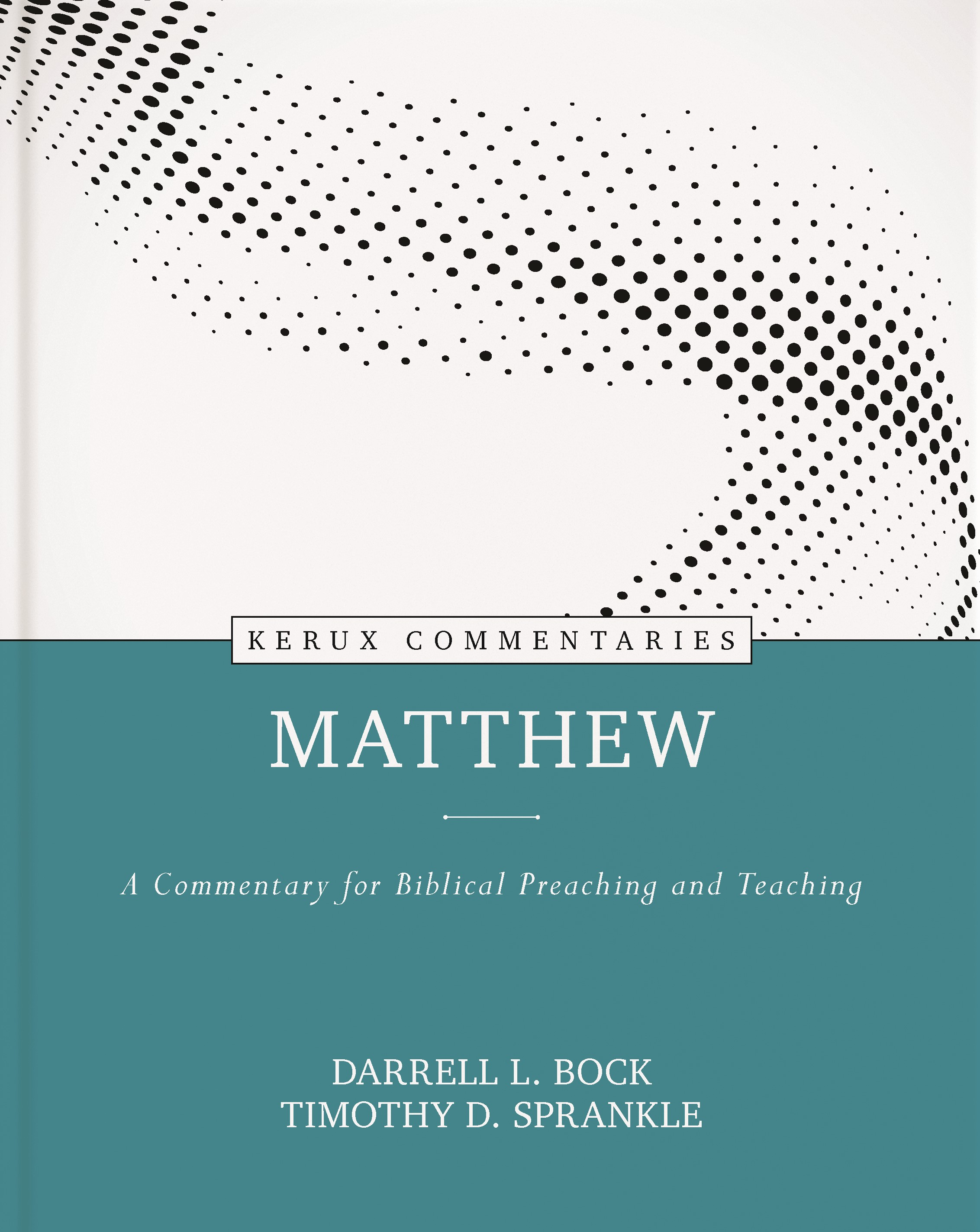
Kerux: Matthew


Everything you wanted to know about Matthew’s gospel but was afraid to ask 🙂 . . .

Darrell L. Bock and Timothy D. Sprankle. Matthew: A Commentary for Biblical Preaching and Teaching. Kerux Commentaries. 800p., $58.99, Kregel Ministry.

Kerux Commentaries enable pastors and teachers to understand and effectively present the main message in a biblical text. Each volume uniquely combines the insights of an experienced Bible exegete (trained in interpretation) and a homiletician (trained in preaching). These two authors work together to explain the essential message for the original listeners or readers, unpack its timeless truth, and then provide a contemporary restatement and communication insights for the key biblical concept. Every book is a resource designed and written with the real needs of the pastor and teacher always in sight, providing many ways to creatively express the principal thought in a biblical passage.

The book of Matthew conveys the most important story of all time: God becoming man for the redemption of the world. While the story itself can appear clear, much is missed if we don’t understand the symbolism, history, context, and language in which the book was written and initially dispersed. Through the pairing of exegetical analysis and pastoral application, authors Darrell Bock and Timothy Sprankle provide an accessible and comprehensive commentary for the teacher and preacher alike.

Posted in Uncategorized | Tagged , , , | Leave a comment

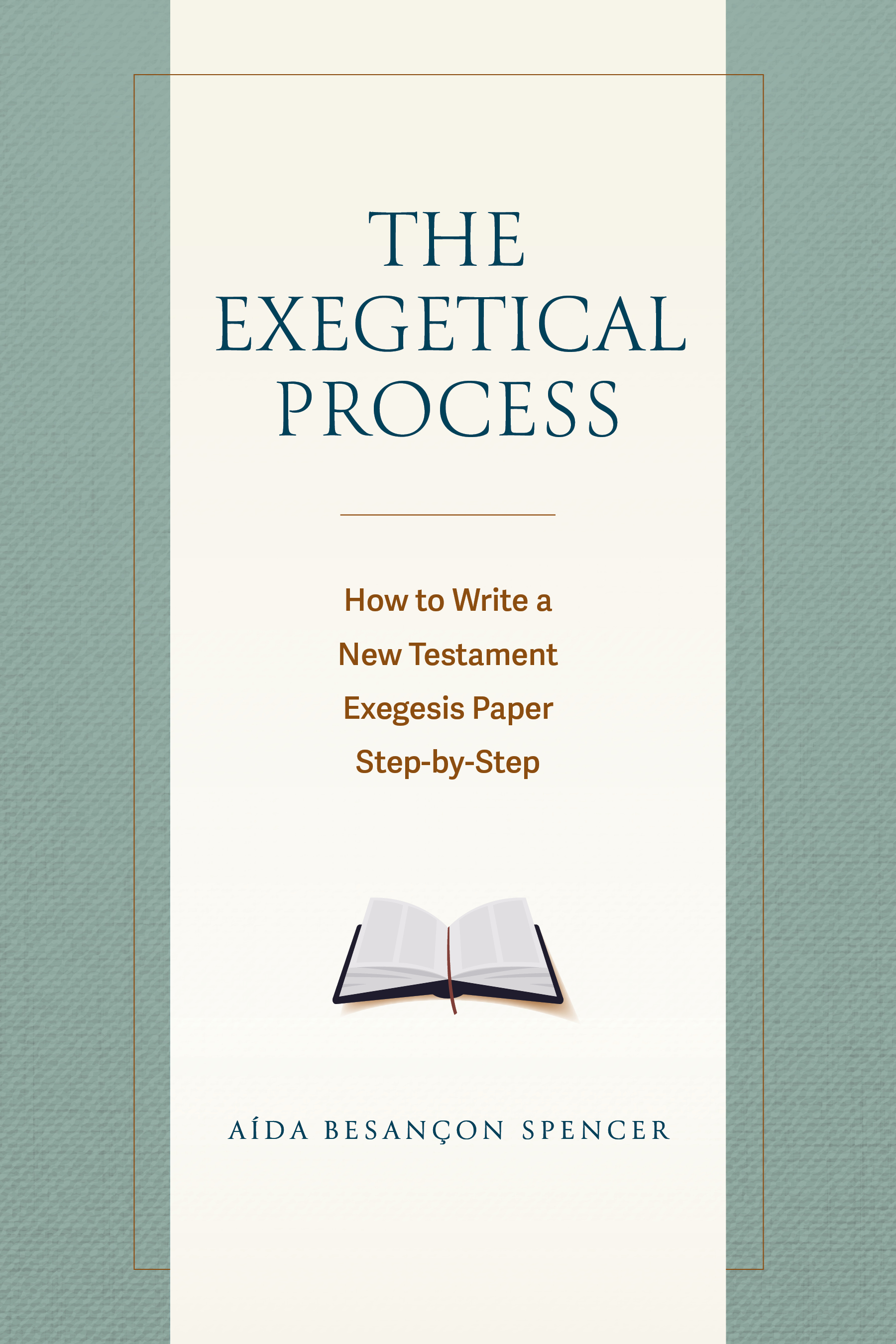
The Exegetical Process


For students of the Bible, of any age . . .

Aida Besancon Spencer. The Exegetical Process: How to Write a New Testament Exegesis Paper Step by Step. 272p., $26.99, Kregel Academic.

How do I do exegesis? And where do I even begin?

If you’ve ever found yourself asking these questions, then this book is for you. Written by senior professor of New Testament at Gordon-Conwell Theological Seminary Ai­da Besancon Spencer, this step-by-step guide will provide a detailed description of the various steps required of the exegetical process, as well as the importance of each step along the way. These steps include:

  • understanding the literary and historical context of a passage
  • discerning the priority of the passage through sentence structure
  • isolating and exploring key words and phrases
  • applying the passage to our current context

The Exegetical Process is an invaluable resource for any who desire to faithfully interpret and apply Scripture. By reading this book, you will be equipped to do both for any passage in the Bible.

Posted in Uncategorized | Tagged , , , | Leave a comment

Isaiah, Vol. 1


On the life that was to come, and the life still to come . . .

Robert B. Chisholm Jr. and Michael Hontz. Isaiah, Vol. 1: 1–39. Kerux Commentaries. 608p., $43.99, Kregel Academic.

Each Kerux volume uniquely combines the insights of an experienced Bible exegete (trained in interpretation) and a homiletician (trained in preaching). These two authors work together to explain the essential message for the original listeners or readers, unpack its timeless truth, and then provide a contemporary restatement and communication insights for the key biblical concept. Every book is a resource designed and written with the real needs of the pastor and teacher always in view, providing many ways to creatively express the principal thought in a biblical passage.

In this first of two volumes, authors Robert Chisholm and Mike Hontz apply exegetic and homiletic training to help elucidate the richness of Isaiah. With faithfulness to the biblical witness, these authors explore chapters 1–39 of Isaiah, discussing what it would have meant to their original audience and how that can inform what it is saying to the church today. In these chapters, cries for redemption are interspersed with denouncements of injustice and economic exploitation, and warnings of judgment are mingled with words of hope. Ultimately, Isaiah is about God’s faithfulness, an enduring faithfulness that persists despite the unfaithfulness of Israel, Judah, and all the nations. Working together to provide an invaluable tool to both preacher and scholar alike, Chisholm and Hontz expertly illuminate the richness of the text while providing real-world, present-day application.

Posted in Uncategorized | Tagged , , , | Leave a comment

That You May Believe


A closer look at the fourth and most personal gospel. . . .

Quinn R. Mosier, T. Desmond Alexander, Robert W. Yarbrough, eds. That You May Believe: Essays in Honor of Andreas J. Köstenberger. 328p., $32.99, Kregel Academic.

Throughout his career, Professor Andreas J. Köstenberger has demonstrated a deep passion and commitment for both scholarly research and faithful living. In his eyes, the two are inseparable, and his books and teachings reflect the balancing and integrating of these two ideals. Nowhere does Köstenberger do this more than in his study of the book of John. The essays collected here both honor and reflect his influence as a scholar and teacher. They exegete, analyze, and examine the book of John and its recent scholarship. This diverse array of texts provides a foundation for a better understanding of John, so that like Köstenberger, we can grow in our comprehension and in turn grow in our faith.

Posted in Uncategorized | Tagged , | Leave a comment

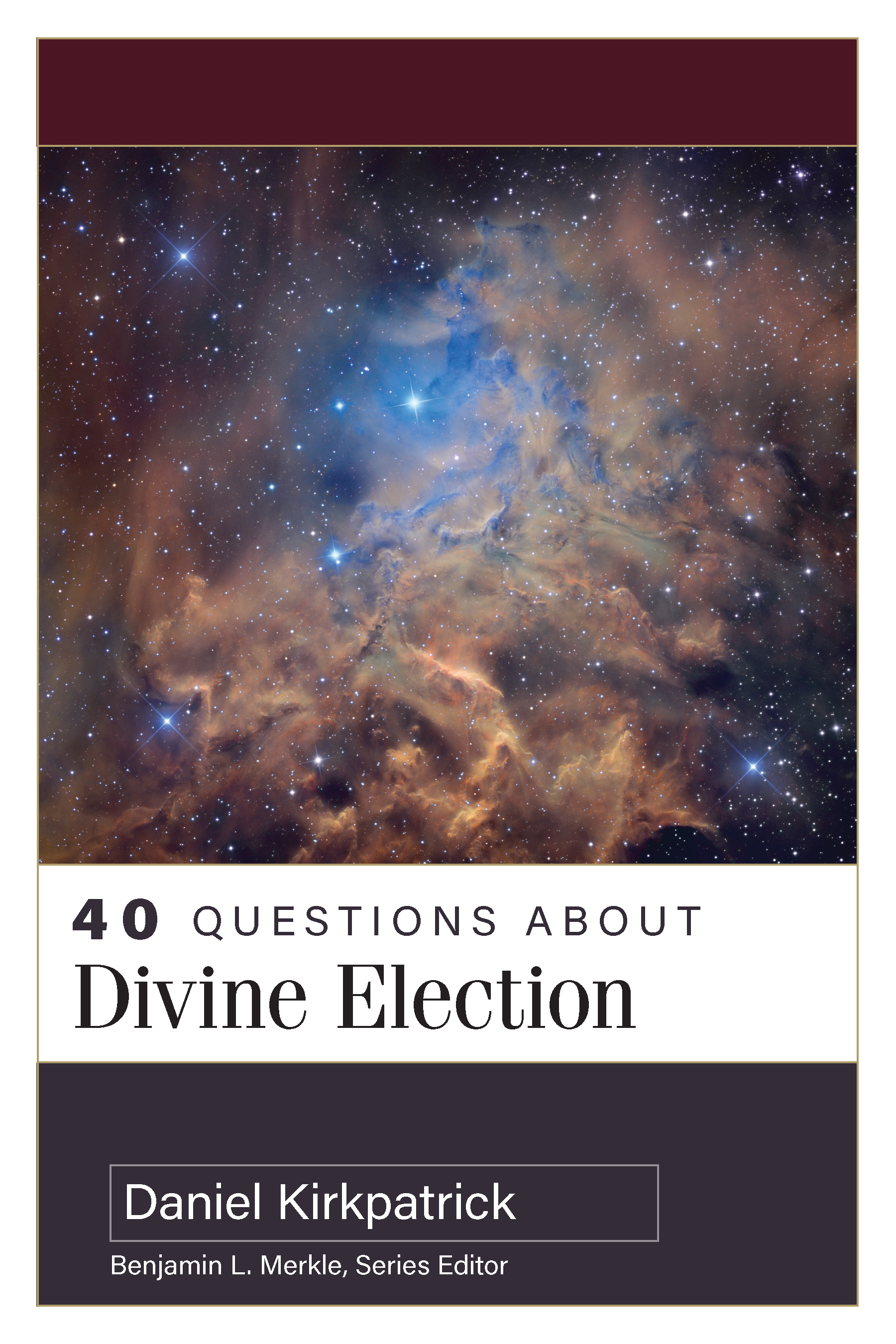
40 Questions About Divine Election


Daniel Kirkpatrick. 40 Questions About Divine Election. 40 Questions series. 280p., $24.99, Kregel Academic.

The doctrine of election has been a major point of contention within the church, especially since the Reformation five hundred years ago. So much so that many of the denominations we see around the world are the consequence of differing understandings of what election means, and what implications it has on our lives. In 40 Questions About Divine Election, author Daniel Kirkpatrick guides the reader through the many facets of election by providing a robust description of the doctrine through the biblical and historical witness. Through a question-and-answer format, Kirkpatrick artfully defines election while describing and navigating opposing views and their implications. These questions include the following:

  • Is election rooted in the divine or human will?
  • Is election conditional or unconditional?
  • How does human will reconcile with divine will in election?
  • Does God elect some people to hell?

In this book, readers are invited to wrestle with their own understandings of election and encouraged to apply those understandings to their lives. In the end, election is about God’s sovereignty, and the question the author invites us to ask is what that sovereignty means for humanity.

Posted in Uncategorized | Tagged , , , , | Leave a comment