
Teaching the Bible better . . .

James Riley Estep Jr. and Jay L. Sedwick, eds. Instructional Strategies for Christian Teachers: How to Teach the Bible and Theology in the Church and School. 360p., $28.99, Kregel Academic.
The best teachers in any discipline use diverse instructional models to foster all aspects of learning. Instructional Strategies for Christian Teachers combines theological and biblical insight with tested teaching methods, providing a targeted guide for those preparing to teach within environments such as churches, ministries, Bible colleges, Christian universities, and seminaries.
The editors and other expert educators systematically address teacher training and focus on planning strategically for various learning outcomes. Contributors address uniquely Christian topics alongside vital instructional approaches.
Complete with reflection questions, video supplements, graphics, diagrams, and distinctly Christian examples, Instructional Strategies for Christian Teachers offers a strong and promising foundation for those already teaching or planning to teach in a Christian context.






Kerux: Genesis
In the beginning . . . and beyond . . .
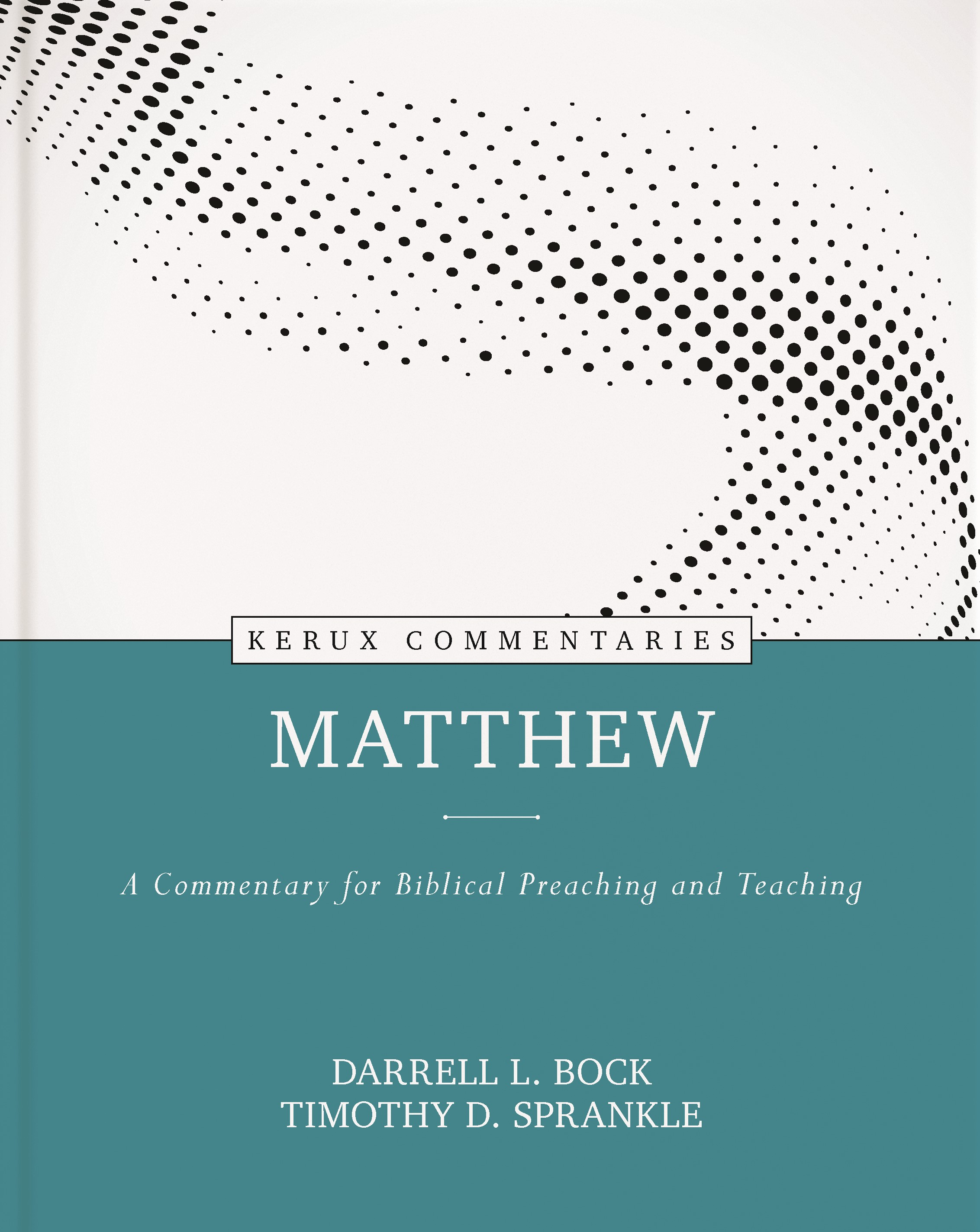
John M. Soden and Randal Emery Pelton. Genesis: A Commentary for Biblical Preaching and Teaching. Kerux Commentaries. 720p., $54.99, Kregel Academic.
Each Kerux volume uniquely combines the insights of an experienced Bible exegete (trained in interpretation) and a homiletician (trained in preaching). These two authors work together to explain the essential message for the original listeners or readers, unpack its timeless truth, and then provide a contemporary restatement and communication insights for the key biblical concept. Based on the Big Idea preaching model, Kerux enhances the reader’s ability to deliver a message that is biblical, cohesive, and dynamic.
Authors John M. Soden and Randal Emery Pelton use the model of robust exegesis paired with experienced pastoral care to demonstrate how Genesis fits within God’s story for creation, as well as what that means for our lives today. Through rich theological insight, pastors, teachers, and theologians alike are invited to think deeply on Genesis and to investigate the richness that the first book of the Bible has to offer with the goal of sharing that richness with others.